Friday, May 29, 2015

"Plackets Aren't That Hard," They Said.


Displaying IMG_4420.JPG

Flannel

Creating my flannel started out  hard, and also ended hard. I had to cut out so many pattern pieces! At first they wouldn't fit correctly and I kept having to move them around. It was so tedious! Some of the hardest aspects of this garment was the fact that I had to create things for a shirt that I've never had to create before. I had to make plackets, set-in sleeves, a collar, and don't even get me started about the button holes....

Displaying IMG_4421.JPG

My Classy Skirt

This was the easier of my projects. I only had to cut a few pattern pieces. The worst part about this garment was trying to figure out what the directions were saying. They had me baste things multiple times and pull out the strings and a lot of the directions I really didn't even need to follow because they were irrelevant. But it's finally finished and I can wear it to work which will feel really cool and rewarding.

Thursday, May 28, 2015

Cuff 'Em!

Wait, please, don't actually cuff anyone. No one needs to be arrested over some cuffs...


Fold-up Cuff


Button Cuff


Band Cuff


Stand Clear of Anyone With a Popped Collar


Flat collar


A disturbing rolled collar.

Shirt collar


Standing collar


Seemingly Seamless Sleeves


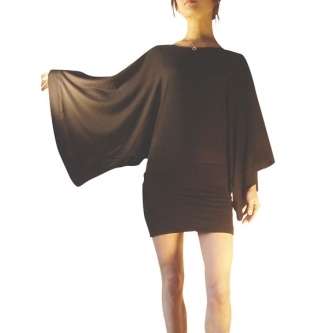
Kimono Sleeve


Set- In sleeve


Ugh isn't he so hot with his rolled sleeves? 

XYZ (Examine Your Zipper)

No not that kind of closure! I'm talking buttons and zippers!


Invisible Zipper

Creating an invisible zipper seems really challenging but I actually found it surprisingly self explanatory. You have to get a special foot for your sewing machine. After getting the foot you pin your zipper to your fabric where you want to install the zipper and make sure its unzipped as far as possible. Put the zipper side in the groove of your special foot and sew away! Do the same on the other side of the zipper.


Lapped zipper! Commonly found on pants, skirts and dresses. 


Hello again, jeans! Here's an example of a fly-front zipper. 

Tucks, Tucks, and More Tucks

Displaying image1.JPG

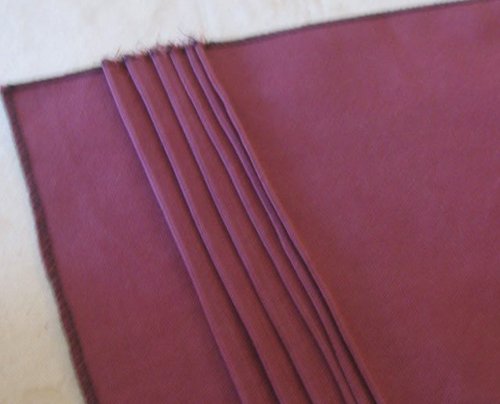
On the top, spaced tucks, and on the bottom, blind tucks.


Pin tucks.

On Wednesdays, We Wear Pleats.

Okay, okay. I know its not the right quote. But who doesn't love pleats? 


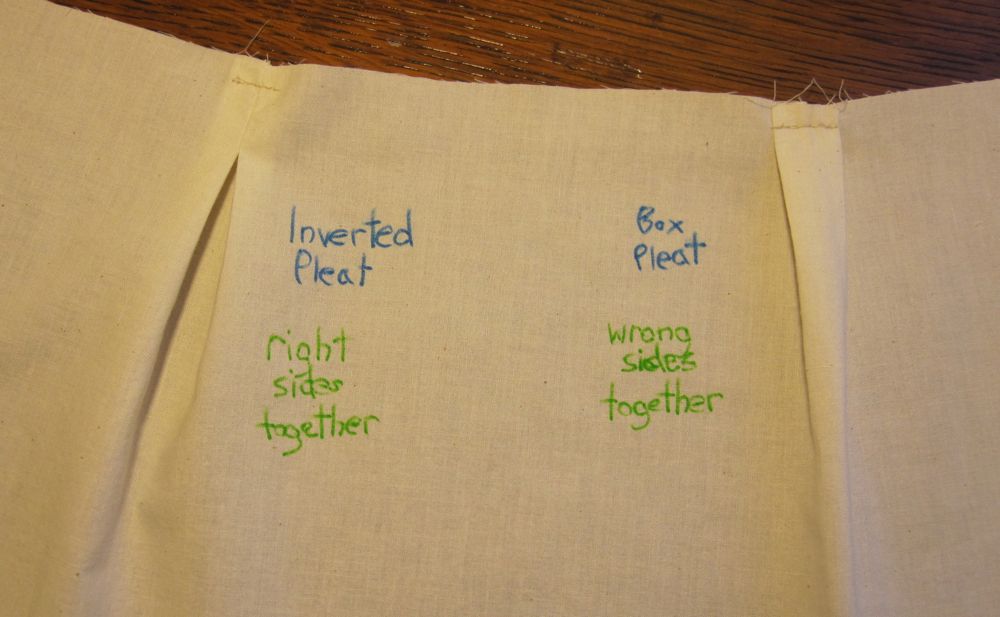
On the left, an inverted pleat. Created by pulling right sides together and sewing. These pleats are commonly seen on cheerleading skirts! On the left, a boxed pleat. pull the wrong sides of the fabric together and sew across. These can be seen on the back of men's dress shirts and other places. 


Knife pleats! 

Facings Are(n't) Fun

Though they aren't the best thing to have to do to a garment, they do make the piece look very classy and created in a very good way. The way to create a facing is to take some of your fabric or something called facing and attach it to an outside raw edge to create a very finished look. Its commonly seen in dresses, blazers, or other classy looking clothing. There's multiple different kinds of facings:


Shaped 


Extended


Bias 

Whatchu Know Bout' Waistbands?


Plain Waistband

To create a plain waistband is fairly easy, take your waistband piece and the rest of your garment and put right sides together (as shown) and sew. You may want to sew with long stitches to later gather your garment.


Topstitched Waistband

Who doesn't love jeans? They're so versatile! One day you can wear them with a tee and one day you can dress them up! Jeans are a great example of a topstitched waistband. The way you topstitch is you take your machine and sew as close as you possibly can to the outside edge of your garment. Doesn't sound too hard, but its much easier said than done! This ones a little tough because you have to really pay close attention to make sure your sewing in a straight line and everything looks good.

Flat Pattern vs. Draping


Oh, the ol' flat pattern. Its the most universal way of creating a sewn article. There's patterns for clothes of all types (boys, girls, adults, babies, even dog clothes!) and also for other things too like pillows and hand bags. You can find almost anything you feel like you need to make in a flat pattern. The down size to flat patterns are that they aren't always the best fit when you start sewing it. This means you may need to make alterations on it as you sew which can ultimately slow down the process of creating your garment. 


Draping can be good in many different ways. If your mannequin is approximately your size, you can drape it to have a better fit for your garment. To drape you take a type of fabric called muslin and literally drape it onto a mannequin and you make all sorts of markings on it and you cut it in certain places according to how much movement you want and what you're creating. Draping is sort of time consuming but it does help a lot in creating dresses, or jackets or anything else that you want more tight fitting to yourself.  

All About The Fashion Industry

A career in the fashion industry means long, hard, yet rewarding hours. To have a passion for the fashion industry is a very unique thing because of how amazing the work you'll do is, and the creative and inspiring people you'll meet. Its not just any ordinary business place where you sit behind a desk and type all day, its hands on work and you can watch your skills and creativity sky rocket.

A career path in the industry can mean you're working for magazines, newspapers, small or large fashion places, sales, and many other things. A photo stylist is a person who works on the photo shoots. That means this person has to be able to get all the background props and color schemes chosen. They also must know what the clothing will be categorized as (sports wear, formal wear, etc.) so that they can choose an appropriate season and back drop for the photo shoot. They're also responsible for making the model stand in different positions depending on how they want the look. The photo stylist has to be very flexible and be willing to work on multiple different shoots a day and have their own props to bring to the table. Another career path you could take would be a Fashion Journalist. This person comes and watches the photo shoots and takes pictures and may send them to their magazine or newspaper company and write about it. This can also include fashion critics and the media portion of the industry.